
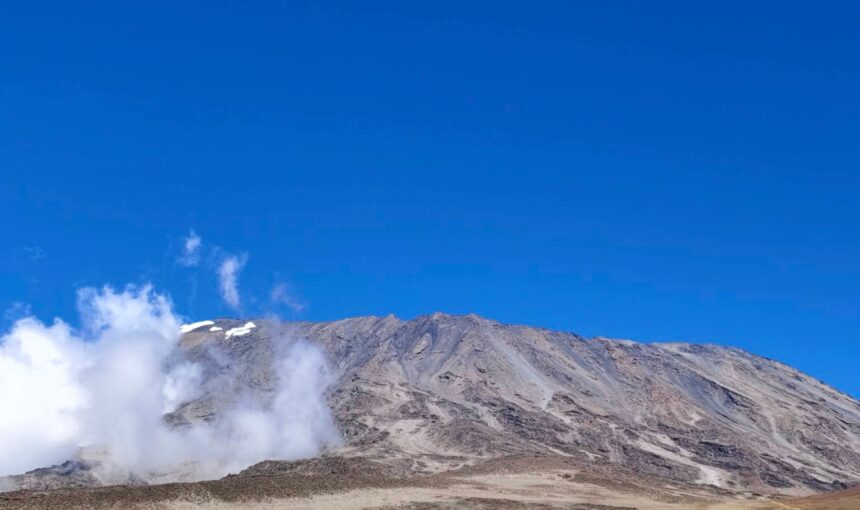
Climbing Mount Kilimanjaro is a once-in-a-lifetime adventure, but understanding the Kilimanjaro cost is an important part of planning your trip.
The total cost of climbing Kilimanjaro depends on several factors, including the route you choose, number of days on the mountain, group size, accommodation, operator services, park fees, equipment and the level of service you prefer.
For 2026, published market data shows a wide range of Kilimanjaro climbing prices. Recent data collected from multiple operators puts the median price around $2,795 per person for a 7-day Machame climb and around $3,190 for an 8-day Lemosho climb, although actual prices vary significantly between operators and packages.
This guide explains what you are actually paying for when climbing Kilimanjaro, which factors affect the price and what additional expenses you should consider before planning your climb.
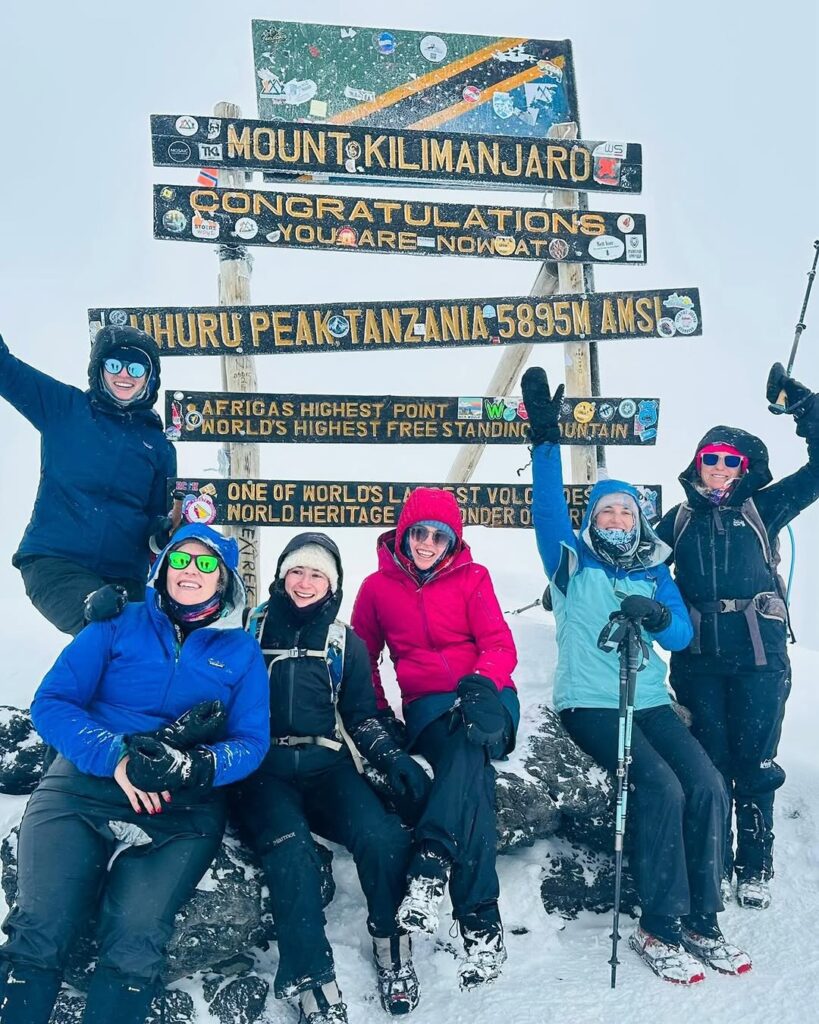
What Is Included in the Cost of Climbing Kilimanjaro?
A Kilimanjaro climbing package is more than simply paying for a guide to take you up the mountain.
A properly organized climb involves a mountain crew, accommodation on the mountain, meals, transportation, park-related fees, camping or hut arrangements and safety and logistical support.
The exact inclusions depend on the route and tour operator, so it is important to understand what is included before comparing one Kilimanjaro price with another.
Common components of a Kilimanjaro climbing package can include:
National park and mountain-related fees
Professional mountain guides
Porters and mountain crew
Meals during the climb
Camping equipment on camping routes
Hut accommodation on the Marangu Route
Transportation to and from the trailhead
Pre- and post-climb arrangements
Emergency and safety equipment
Accommodation before or after the climb, depending on the package
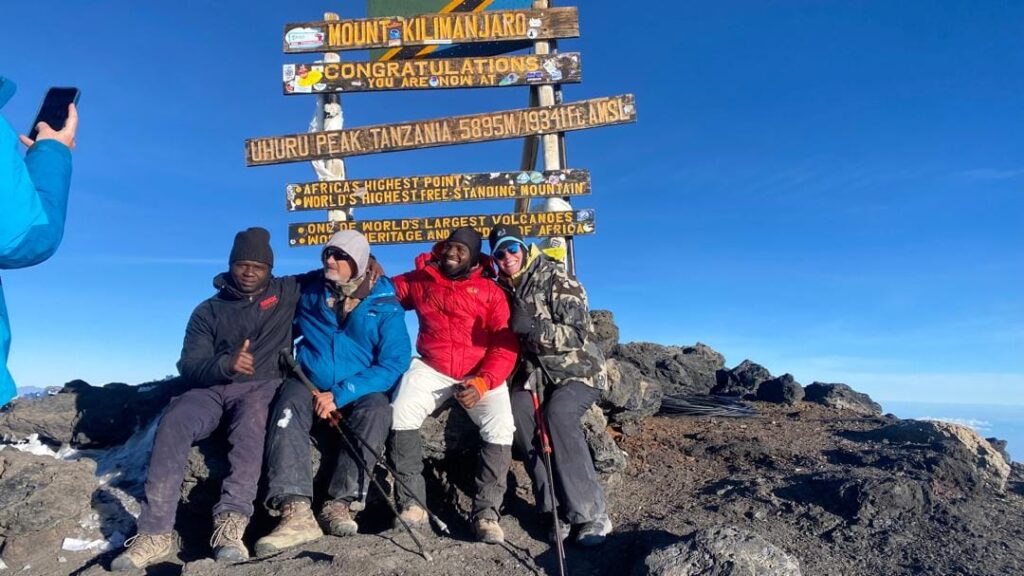
Why Does Climbing Kilimanjaro Cost So Much?
Many first-time climbers are surprised when they compare the cost of a Kilimanjaro climb with the price of an ordinary hiking trip.
The reason is that climbing Kilimanjaro involves a large amount of logistics and regulated mountain operations.
Every climb requires planning for park access, mountain crew, food, equipment, transportation and accommodation at high altitude. Longer routes also require more days of park fees, meals, crew support and mountain logistics.
Government fees make up a significant part of the cost. Current Tanzania National Parks Authority information confirms that Kilimanjaro is managed as a national park and that official park tariffs apply to visitors.
This is why two Kilimanjaro packages that look similar at first glance can have very different prices once you compare what is actually included.
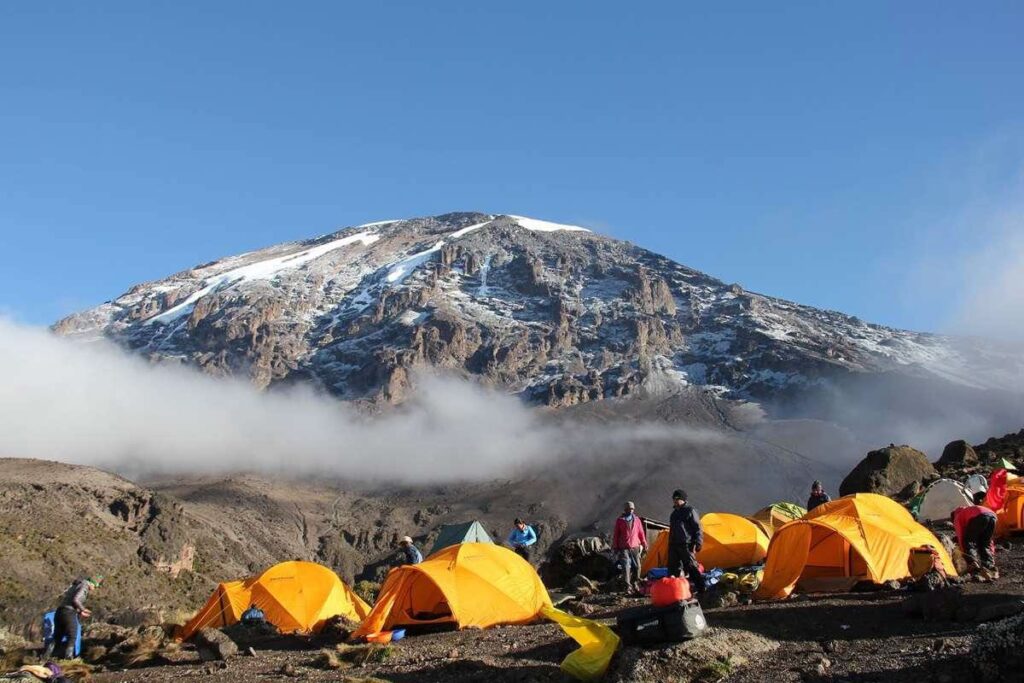
What Determines the Kilimanjaro Cost?
There is no single fixed Kilimanjaro cost for every climber.
The final price is usually influenced by several major factors:
1. The Route
Different routes require different logistics and numbers of days on the mountain. Marangu, Machame, Lemosho, Rongai, Northern Circuit, Shira and Umbwe do not all have the same operating requirements.
2. Number of Days
A longer climb generally costs more because it involves additional days of park-related fees, meals, crew support and accommodation.
3. Group Size
Private climbs and smaller groups can have a higher per-person cost because more of the operating expenses are shared among fewer climbers.
4. Accommodation
Marangu uses mountain huts, while most other routes use camping arrangements. The type and quality of accommodation before or after the climb can also affect the total package price.
5. Level of Service
Different operators may offer different standards of equipment, food, crew support, transfers and accommodation.
6. Equipment
If you already own suitable mountain equipment, you may spend less than a traveler who needs to rent or purchase most of their gear.
7. Travel Extras
Your total Tanzania trip budget may also include international flights, visa costs, travel insurance, airport transfers, accommodation before and after the climb, personal expenses and tips.
Is There a Fixed Price to Climb Kilimanjaro?
There is no single price that applies to every Kilimanjaro climb.
Published 2026 prices vary considerably between routes and operators. For example, recent market data shows that the median published price for a 7-day Machame climb was about $2,795 per person, while an 8-day Lemosho climb had a median of about $3,190. The same data also shows significant price ranges around those medians.
This is why you should be careful when comparing Kilimanjaro prices online.
A very low price may exclude important services, while a higher price may include better accommodation, more comprehensive logistics or additional services.
The best approach is to compare the complete package rather than choosing an operator based only on the advertised headline price.
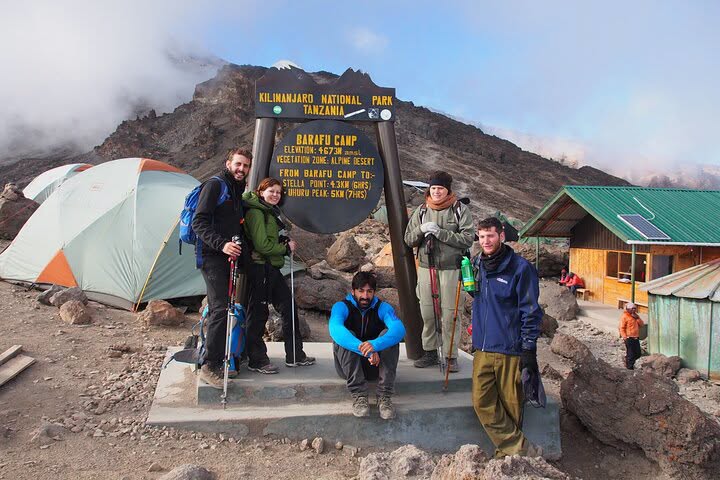
How Much Should You Budget for Kilimanjaro?
When planning your Kilimanjaro adventure, it’s important to have a realistic budget before you start choosing your route and travel dates.
For a quality guided Kilimanjaro climb, a reasonable budget to consider is around $2,000–$3,500 per person. The final amount will depend on the route you choose, how many days you spend on the mountain and the level of service included in your climb.
Keep in mind that this budget is for the climb itself and may not include international flights, personal hiking equipment or other expenses before and after the trek.
Before deciding on a budget, consider what kind of Kilimanjaro experience you want. Your choice of route, number of days, group size, accommodation and the services included can all make a difference to the final cost.
A longer route may cost more, but it can also give you additional time on the mountain and more opportunity to acclimatize. Likewise, a private climb may cost more than joining a group, but it gives you greater flexibility and a more personalized experience.
The best way to know exactly how much your climb will cost is to choose your preferred route and travel dates first, then request a detailed quotation based on your plans.
Kilimanjaro Cost: What Should You Compare?
When comparing different Kilimanjaro climbing prices, don’t compare the final number alone.
Look at what the price includes.
A useful comparison should consider:
Park and mountain fees — Are the applicable government fees included?
Mountain crew — How many guides and porters are supporting the climb?
Food — What meals are provided during the trek?
Accommodation — Are mountain nights in tents or huts? Is a hotel night before or after the climb included?
Transportation — Are transfers between your hotel and the trailhead included?
Equipment — What camping and safety equipment does the operator provide?
Pre- and post-climb support — Does the operator provide assistance before and after the trek?
Comparing these details gives you a much clearer idea of the real value behind a Kilimanjaro price.
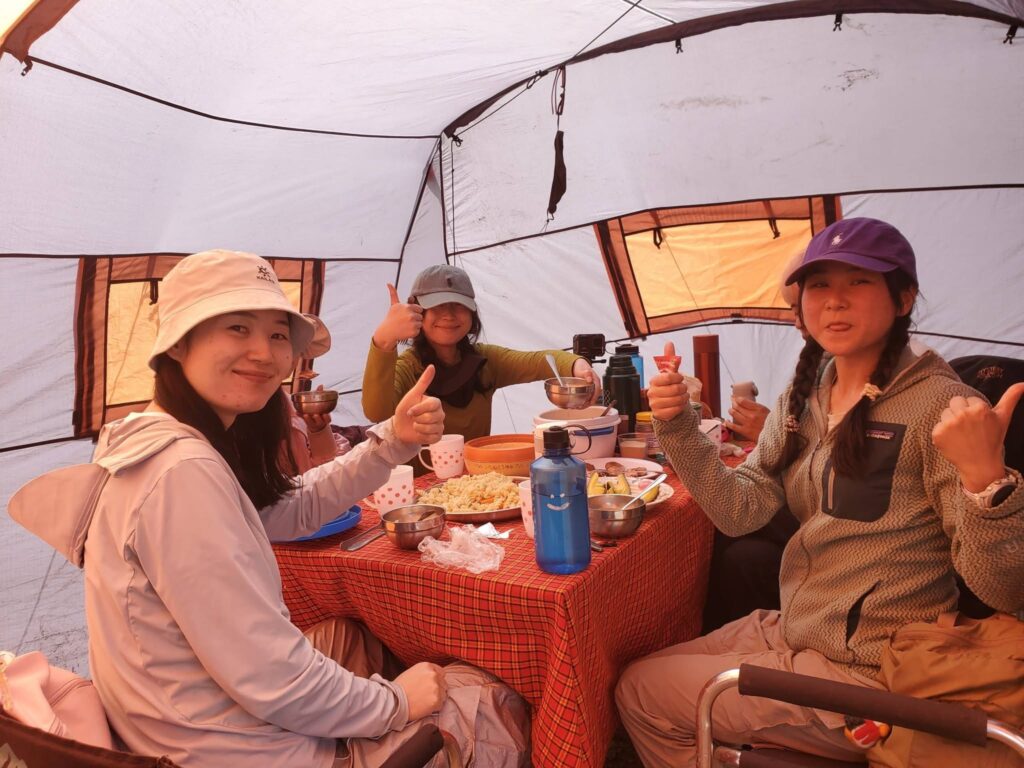
Plan Your Kilimanjaro Climb Around Your Budget
The right Kilimanjaro climb is not necessarily the cheapest or the most expensive option.
A good itinerary should balance your budget with the route, number of days, level of support and overall experience you want.
For many climbers, spending a little more on an appropriate route and adequate acclimatization time can be more valuable than choosing the shortest or cheapest itinerary.
Once you know your preferred route and travel dates, you can request a personalized quotation based on your group size and the services you need.
Get Your Personalized Kilimanjaro Cost
Planning to climb Mount Kilimanjaro? Tell us your preferred route, travel dates and number of climbers, and we’ll help you understand the costs and create a climb that fits your plans.
How Much Does Kilimanjaro Cost by Route?
The route you choose is one of the biggest factors that determines the overall Kilimanjaro cost.
Each Kilimanjaro route has its own itinerary, number of days, accommodation arrangements and logistical requirements. This means that two climbs can reach the same summit but have different prices.
In general, shorter routes may have a lower total cost, while longer routes usually cost more because they require additional days on the mountain, more meals, crew support and other logistics.
Below is an overview of the main Kilimanjaro routes and what can influence the cost of each one.
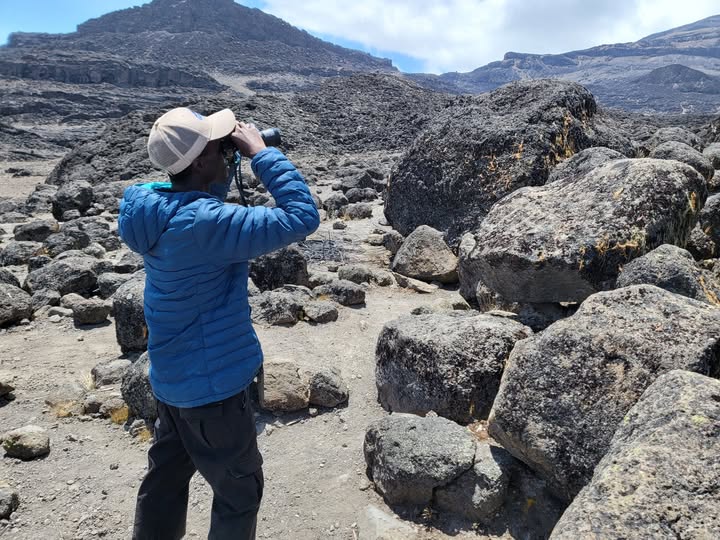
Machame Route Cost
The Machame Route is one of the most popular routes on Mount Kilimanjaro and is often chosen by travelers looking for a scenic trekking experience.
The cost of a Machame Route climb depends mainly on the number of days, group size, accommodation before and after the trek and the services included in the package.
Because the route normally involves camping, your quotation should account for camping equipment, meals, mountain crew and transportation to and from the trailhead.
If you are comparing Machame Route prices, make sure you are comparing itineraries with the same number of days and similar inclusions.
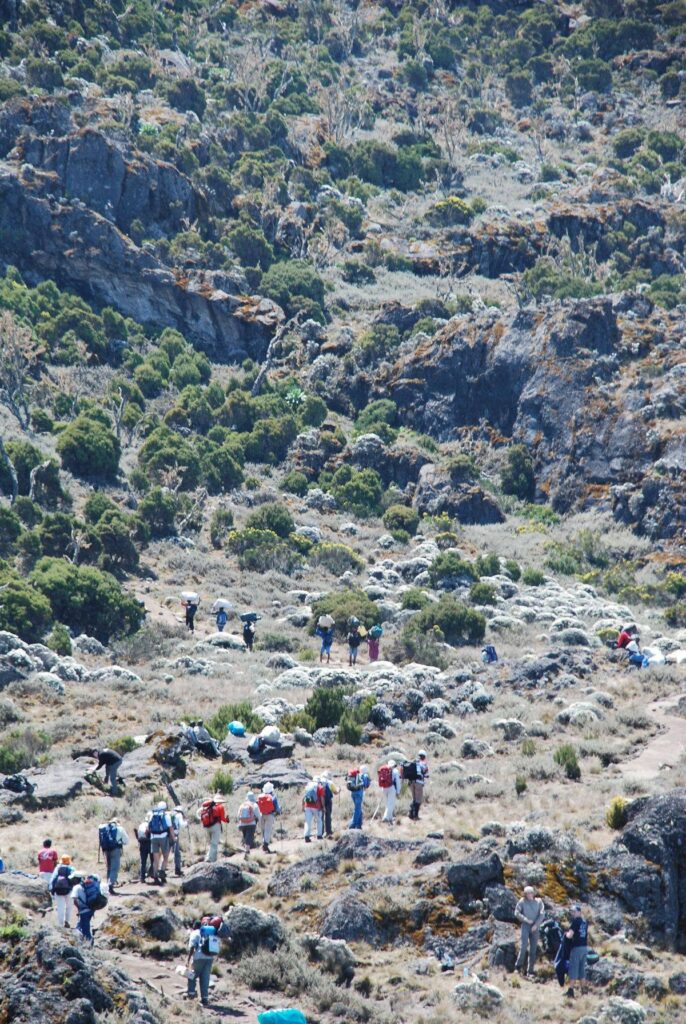
Marangu Route Cost
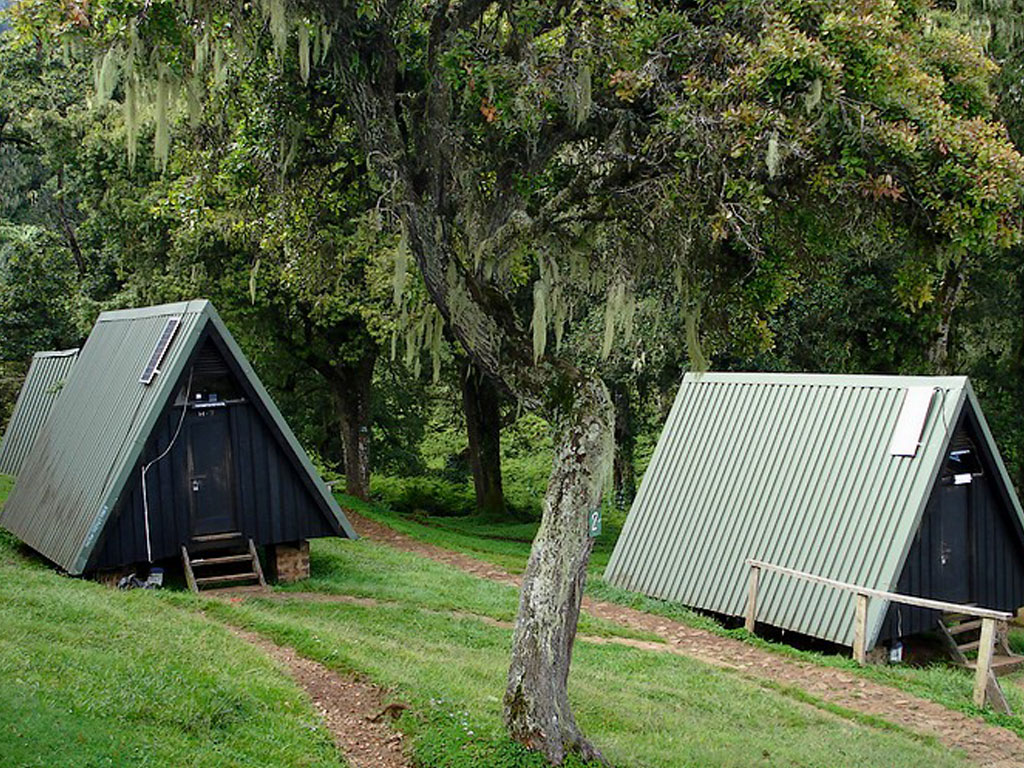
The Marangu Route is different from most other Kilimanjaro routes because climbers stay in mountain huts rather than camping in tents.
This difference can affect the overall cost of the climb, along with the number of days and services included.
Marangu is sometimes described as one of the more affordable Kilimanjaro routes, but the final price still depends on the itinerary, operator and what is included in the package.
When comparing Marangu Route prices, look at the complete package rather than choosing an itinerary simply because it has the lowest advertised cost.
Lemosho Route Cost
The Lemosho Route is known for its scenic landscapes and longer approach to the summit.
Because Lemosho itineraries commonly use more days on the mountain, the total cost can be higher than shorter Kilimanjaro climbs.
Additional days can mean additional park-related fees, meals, accommodation and mountain crew support.
For travelers who prefer a longer itinerary with more time for acclimatization, the additional cost may be worthwhile.
Northern Circuit Route Cost
The Northern Circuit is the longest main route on Mount Kilimanjaro and takes a more extended path around the mountain.
Its longer duration means that the total cost is generally higher than shorter routes.
You are paying for additional days of accommodation, meals, crew support, park-related costs and logistics.
For climbers who have enough time and want a longer acclimatization itinerary with quieter sections of the mountain, the Northern Circuit can be an attractive option.
Rongai Route Cost
The Rongai Route approaches Kilimanjaro from the northeastern side of the mountain and offers a different perspective from the routes approaching from the south and west.
The cost depends on the number of trekking days, group size, accommodation arrangements and services included.
Because the route has different logistics from routes such as Machame and Lemosho, it is important to compare complete itineraries rather than prices alone.
Shira Route Cost
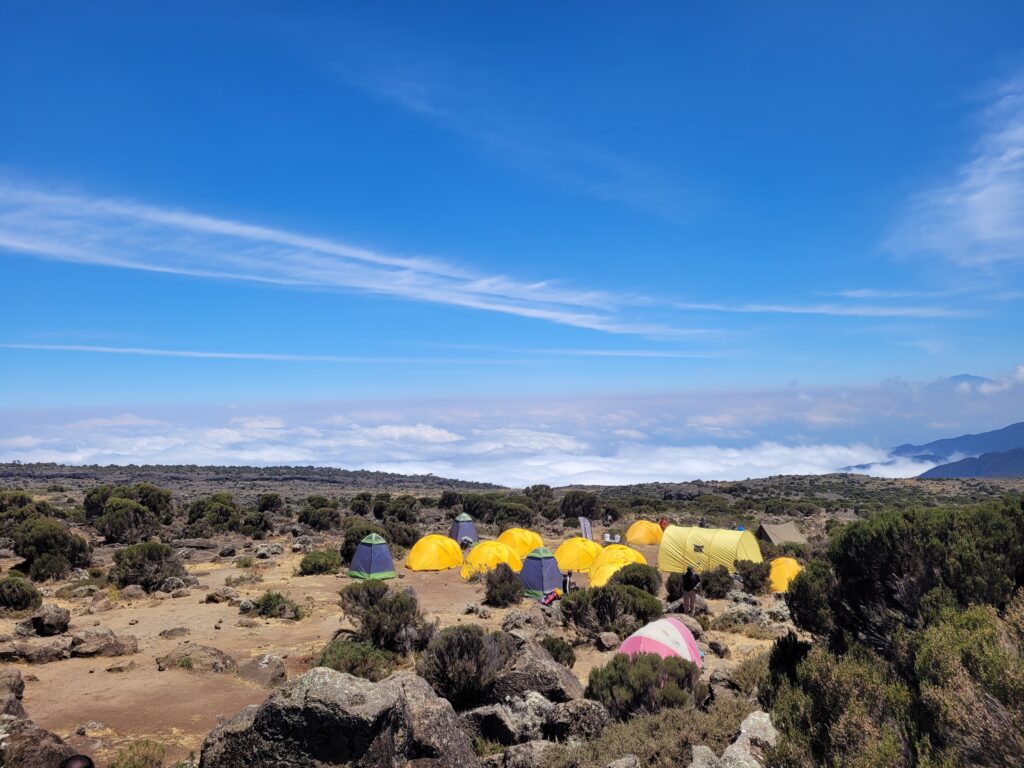
The Shira Route approaches Kilimanjaro from the western side and shares some of its terrain with longer western approaches before joining the higher sections of the mountain.
The overall cost depends on the itinerary, number of days and logistical arrangements required for the climb.
Because the route begins at a higher elevation than some other approaches, climbers should consider the itinerary carefully and choose a program that provides appropriate acclimatization.
Umbwe Route Cost
The Umbwe Route is known for its steep and challenging approach to Mount Kilimanjaro.
Because of the nature of the route, it is generally more suitable for experienced trekkers who are comfortable with a demanding mountain environment.
The cost depends on the number of days, group size and services included in the climb.
If considering Umbwe, the decision should be based on your experience, fitness and preferred trekking style rather than price alone.
Kilimanjaro Route Cost Comparison
There is no single cheapest or most expensive Kilimanjaro route in every situation because the final price depends on the specific itinerary and services included.
As a general guide, shorter itineraries tend to cost less, while longer routes tend to cost more.
The route should therefore be chosen based on more than price. Consider the scenery, difficulty, number of days, acclimatization opportunities, accommodation style and overall experience you want.
A slightly more expensive route may offer better value if it gives you more time to acclimatize and enjoy the mountain.
| Route | Typical Style | Main Cost Factor |
|---|---|---|
| Machame | Camping | Number of days & crew logistics |
| Marangu | Mountain huts | Number of days & hut accommodation |
| Lemosho | Camping | Longer itinerary |
| Northern Circuit | Camping | Longest duration |
| Rongai | Camping | Route logistics & duration |
| Shira | Camping | Itinerary & high-altitude approach |
| Umbwe | Camping | Route difficulty & itinerary |
Which Kilimanjaro Route Gives the Best Value?
The best value Kilimanjaro route is not necessarily the route with the lowest price.
A good-value climb should provide an appropriate number of days, experienced mountain crew, proper meals and equipment, reliable transportation and a well-planned itinerary.
For many climbers, spending more for a longer route can provide additional acclimatization time and a more relaxed trekking experience.
Your personal priorities should therefore come first when choosing a route. Think about your available time, fitness level, preferred scenery and the type of experience you want before comparing prices.
Get a Kilimanjaro Cost Based on Your Preferred Route
Every Kilimanjaro climb is different.
Tell us which route you are interested in, your preferred travel dates, the number of climbers and how many days you would like to spend on the mountain.
We can then recommend a suitable itinerary and provide a detailed quotation based on your plans.
What Does the Kilimanjaro Cost Include?
When you receive a quotation for climbing Mount Kilimanjaro, the total price covers much more than the cost of entering the national park.
Your climb involves park fees, mountain guides, porters, food, accommodation, camping equipment, transportation and other logistical arrangements.
Understanding these different costs makes it easier to compare Kilimanjaro climbing packages and see what you are actually paying for.
The exact amount for each part can vary depending on your route, number of days, group size and the services included in your package.
1. Kilimanjaro Park and Conservation Fees
One of the largest parts of the cost of climbing Kilimanjaro comes from official park-related fees.
These fees are paid for access to Kilimanjaro National Park and help support the management and conservation of the mountain.
The amount depends on how many days your itinerary spends inside the park. Longer climbs therefore normally have higher park-related costs.
For current planning, the published 2026 tariff information shows a conservation/park fee of around $70 per person per day, while camping routes have a camping fee of around $50 per person per night. A separate rescue fee is also charged per climber. Applicable taxes and other fees can affect the final amount.
Because government tariffs can be revised, your final quotation should always confirm the current applicable fees.
2. Guide and Mountain Crew Costs
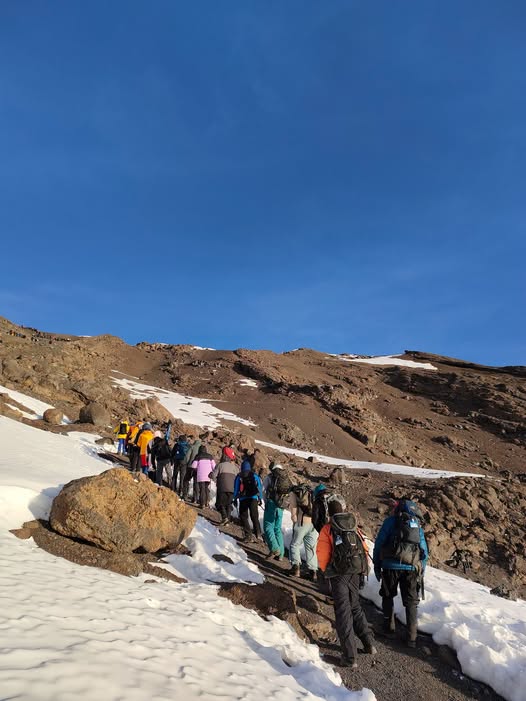
A Kilimanjaro climb requires a professional mountain crew to support you throughout the trek.
Your crew can include mountain guides, assistant guides, porters and cooks, depending on the size and type of your climb.
Guides are responsible for leading the group, monitoring the progress of the trek and helping climbers manage the challenges of high altitude.
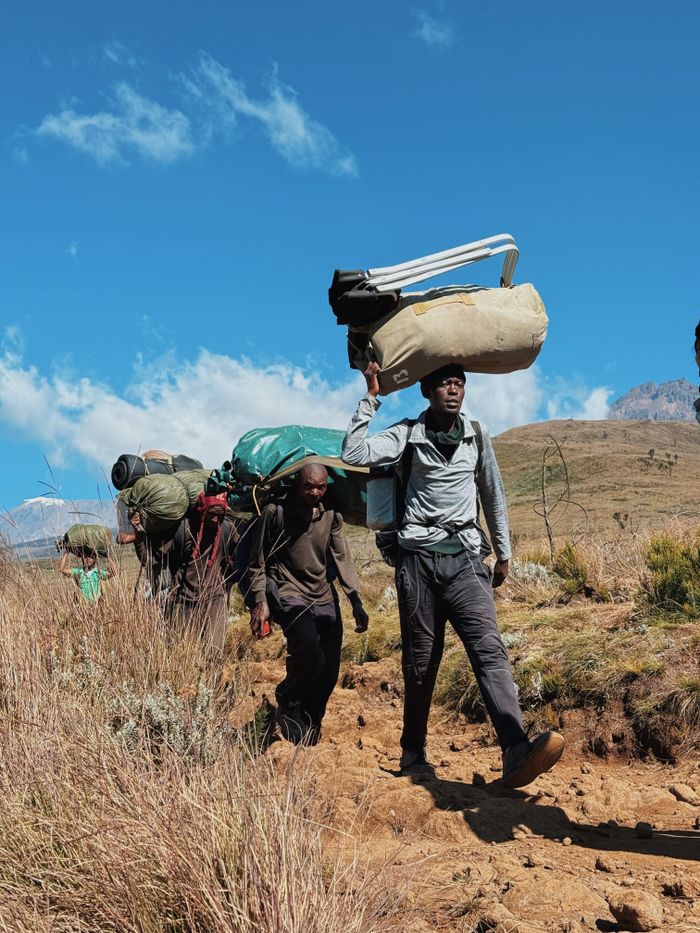
Porters help transport camping equipment, food and other supplies required for the expedition, while cooks prepare meals during camping routes.
The size of the crew can vary according to the number of climbers and the requirements of the itinerary. This is one reason why a private climb can have a different per-person price from a group climb.
3. Food and Meals on Kilimanjaro
Food is another important part of the cost of a Kilimanjaro climb.
A quality trek requires meals that provide enough energy for several hours of hiking each day, including the demanding summit attempt.
Depending on the package, meals can include breakfast, lunch and dinner throughout the mountain portion of the trip, along with drinking water or other hydration arrangements.
The quality and variety of food can differ between operators, so it is worth asking what meals are included before comparing two climbing quotations.
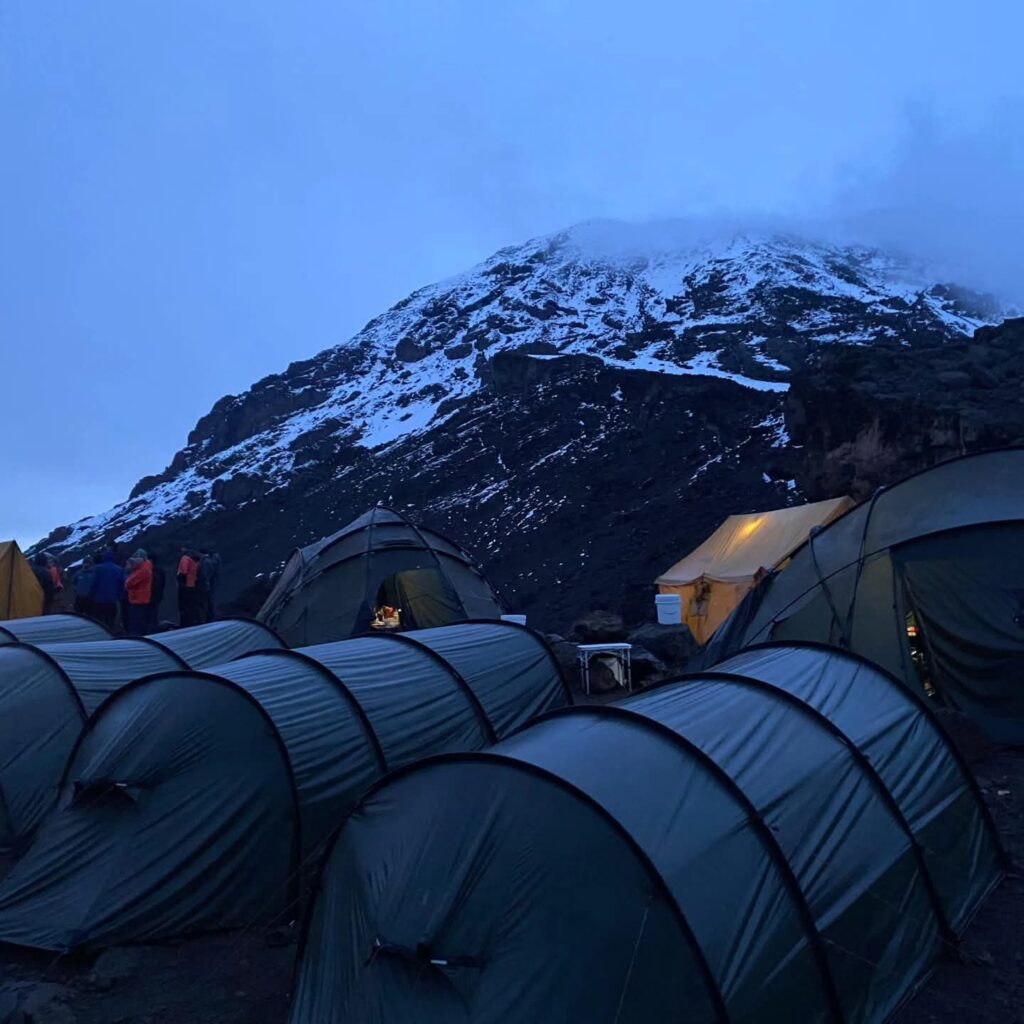
4. Camping and Mountain Accommodation
Accommodation on Kilimanjaro depends largely on the route you choose.
Most routes use mountain camps where climbers sleep in tents. The Marangu Route is different because it uses mountain huts.
Camping fees on most routes are charged per person per night, while Marangu uses hut accommodation. Published 2026 figures commonly list camping at around $50 per person per night and Marangu hut fees around $60 per person per night, before considering the full package and applicable taxes.
Your operator normally arranges the tents, camping logistics and mountain accommodation as part of the climbing package.
5. Transportation to and from the Mountain
Transportation is another part of the Kilimanjaro climbing cost that travelers sometimes overlook.
Before the climb, you need to reach the appropriate trailhead, and after the trek you need transportation back to your accommodation.
The exact transport requirements depend on the route because each Kilimanjaro route starts at a different gate.
A complete climbing package may include transfers between your hotel and the mountain gate, while some operators may quote certain transfers separately.
Always check your itinerary to see whether trailhead transportation is included.
6. Camping and Safety Equipment
A Kilimanjaro expedition requires equipment that can handle cold temperatures, rain, wind and high-altitude conditions.
Depending on your package, the operator may provide essential camping equipment such as tents, dining equipment and other group gear.
Personal climbing equipment is usually the responsibility of the traveler, although many local operators offer equipment rental for items that you do not want to purchase.
Before traveling to Tanzania, ask your operator for a clear list of what is provided and what you need to bring or rent.
7. Accommodation Before and After the Climb
Many climbers spend a night in Moshi or another nearby location before starting their Kilimanjaro trek.
A pre-climb hotel night gives you time to meet your guide, complete final preparations and organize your equipment before heading to the mountain.
Some packages also include accommodation after the climb, while others quote it separately.
When comparing Kilimanjaro prices, check whether your hotel accommodation before and after the trek is included.
8. Rescue and Emergency Support
Safety is an important part of every Kilimanjaro climb.
Official park fees include a mandatory rescue-related charge, while your operator should also have appropriate procedures and equipment for managing problems that may occur on the mountain.
However, travelers should not assume that a park rescue fee replaces comprehensive travel insurance.
Travel insurance with appropriate high-altitude trekking and emergency evacuation coverage is an important part of planning your overall Tanzania trip.
9. Tips for Guides, Porters and Mountain Crew
Tips are normally treated separately from the advertised climbing price.
Many climbers choose to give a tip to the mountain crew at the end of the trek as recognition for their work and support.
The amount depends on the size of your group, length of the climb and the number of crew members supporting you.
Rather than assuming that tips are included in your package price, ask your operator about their recommended tipping practice so you can budget for it before your climb.
What Is Usually Included in a Kilimanjaro Climbing Package?
A well-organized Kilimanjaro package commonly covers the major services required to complete the climb.
Depending on the operator and itinerary, these may include:
Park and applicable mountain fees
Professional mountain guides
Porters and support crew
Meals during the trek
Camping or hut accommodation
Tents and group camping equipment
Transportation to and from the mountain
Drinking water during the trek
Safety and logistical support
Always request a written list of inclusions before confirming your climb, because packages from different operators can be structured differently.
What Is Usually Not Included?
Some expenses are normally separate from the climbing package.
These can include:
International flights
Tanzania visa
Travel insurance
Personal climbing equipment
Equipment rental, if required
Tips for the mountain crew
Personal expenses
Drinks or services not listed in the package
Accommodation outside the agreed itinerary
The exact exclusions depend on your operator and package, so always check the quotation carefully before booking.
Why Two Kilimanjaro Quotes Can Have Different Prices
It is normal to find different prices for what appears to be the same Kilimanjaro route.
One operator may include more hotel nights, better camping equipment, additional crew support, transfers or other services that another quotation excludes.
The number of trekking days also has a direct effect on several costs, especially park-related fees, meals and mountain support.
This is why the cheapest quotation is not automatically the best value.
When comparing offers, look at the complete itinerary and inclusions rather than comparing only the final number.
The Real Cost of Your Kilimanjaro Adventure
The price of climbing Kilimanjaro reflects the people, permits, equipment and logistics required to safely support a multi-day expedition.
Once you understand these different cost components, it becomes much easier to compare climbing packages and decide which type of experience is right for you.
Your final cost will depend on your chosen route, number of days, group size and the level of service you select.
Want to Know Exactly What Your Kilimanjaro Climb Will Cost?
Tell us your preferred Kilimanjaro route, travel dates and number of climbers. We’ll help you understand what is included and prepare a personalized quotation for your climb.
Budget vs Mid-Range vs Premium Kilimanjaro Climb
When comparing the Kilimanjaro cost, you may notice that different operators offer very different prices for what appears to be a similar climb.
One reason is the level of service included in the experience.
A budget climb may focus on keeping the overall price lower, while a mid-range climb can provide a balance between comfort, service and price. A premium or luxury-style experience may include higher accommodation standards, additional services and a greater level of personalization.
There is no single option that is best for everyone. The right choice depends on your budget, expectations and the type of Kilimanjaro experience you want.
Budget Kilimanjaro Climb
A budget Kilimanjaro climb is designed for travelers who want to experience the mountain while keeping their overall trip costs under control.
Budget does not necessarily mean poor quality. The important thing is to understand exactly what the operator includes in the price.
A budget-oriented climb may use simpler accommodation before or after the trek, standard camping arrangements and a more basic level of additional services.
However, essential mountain services should still be properly organized. Park requirements, qualified mountain guides, appropriate food, camping arrangements and safety procedures should never be sacrificed simply to reduce the price.
If you are considering a low-cost Kilimanjaro climb, always ask for a detailed list of inclusions and exclusions before booking.
Mid-Range Kilimanjaro Climb
A mid-range Kilimanjaro climb is often a good choice for travelers who want a balance between price, comfort and service.
This type of experience can include comfortable accommodation before and after the trek, good-quality meals, reliable mountain equipment and a well-organized support team.
For many travelers, the mid-range option provides enough comfort without paying for services they may not consider essential.
The final cost will still depend on the route, number of days, group size and services included in the package.
Premium Kilimanjaro Climb
A premium Kilimanjaro experience is designed for travelers who place greater importance on comfort, privacy and personalized service.
Depending on the operator, premium arrangements may include higher-standard accommodation, private transfers, upgraded meals, smaller groups, additional support or personalized arrangements before and after the climb.
The mountain itself remains challenging regardless of how much you spend. Paying more does not make the altitude easier, but it can improve the comfort and level of service around your trek.
Premium travelers should therefore focus on the specific services included rather than simply choosing the most expensive package.
What Is the Difference Between Budget, Mid-Range and Premium
| Feature | Budget | Mid-Range | Premium |
|---|---|---|---|
| Mountain trek | ✅ | ✅ | ✅ |
| Professional guide | ✅ | ✅ | ✅ |
| Mountain crew | ✅ | ✅ | ✅ |
| Camping/hut accommodation | Standard | Comfortable | Higher level where available |
| Hotel accommodation | Basic | Comfortable | Higher-end |
| Transfers | Standard | Comfortable | Private/premium |
| Meals | Standard | Good variety | Upgraded/personalized |
| Group size | May be shared | Smaller options | Private/small group |
| Personalization | Limited | Moderate | High |
| Overall comfort | Basic | Balanced | Highest |
The table above is a general guide. The exact services included in each package vary between operators, routes and itineraries.
Always compare the actual inclusions rather than assuming that every operator’s budget, mid-range or premium package offers the same service.
Does Paying More Increase Your Chance of Reaching the Summit?
Paying more for a Kilimanjaro climb does not automatically guarantee that you will reach the summit.
Summit success depends on several factors, including your physical preparation, acclimatization, route choice, weather, altitude response and how well the climb is managed.
However, choosing an appropriate itinerary with enough time for acclimatization can make the experience more comfortable and give your body more time to adjust to altitude.
This is one reason why choosing a climb based only on the lowest possible price may not always be the best approach.
Is a Cheap Kilimanjaro Climb Worth It?
A low price can look attractive when you are planning a Kilimanjaro adventure, but it is important to understand what you are getting for that price.
Before choosing the cheapest option, check whether park fees, accommodation, meals, transportation, mountain crew and other essential services are included.
You should also ask about the operator’s experience, mountain crew standards and safety procedures.
A good Kilimanjaro climb should provide clear information about what you are paying for. If a quotation is significantly cheaper than other comparable offers, ask why before making a decision.
How to Choose the Right Kilimanjaro Package for Your Budge
Start by deciding what matters most to you.
If keeping costs low is your main priority, a well-organized budget climb may be suitable.
If you want a comfortable experience without paying for unnecessary extras, a mid-range option may provide the right balance.
If privacy, comfort and personalized arrangements are important to you, a premium private climb may be more appropriate.
Whatever your budget, make sure the package provides the essential services required for a properly organized Kilimanjaro expedition.
A Good Kilimanjaro Price Is About Value, Not Just Cost
The cheapest Kilimanjaro climb is not always the best value, and the most expensive climb is not automatically the best experience.
Good value comes from getting the right combination of route, number of days, mountain support, accommodation, meals, transportation and service for your budget.
When comparing quotations, look beyond the final price and ask what is included.
This allows you to make a more informed decision and choose a Kilimanjaro experience that matches your expectations.
Not Sure Which Kilimanjaro Package Fits Your Budget?
Tell us your preferred route, travel dates, number of climbers and the type of experience you are looking for. We’ll help you understand your options and request a personalized Kilimanjaro quotation.
Kilimanjaro Cost by Number of Days
The number of days you spend on Mount Kilimanjaro is another important factor when calculating the total Kilimanjaro cost.
A shorter climb may have a lower overall price because it requires fewer days of accommodation, meals, mountain crew support and park-related costs.
However, choosing the shortest itinerary simply because it costs less is not always the best decision. Kilimanjaro is a high-altitude mountain, and giving your body more time to adjust to the altitude can be an important part of planning a successful trek.
For this reason, it is useful to look at both the price and the experience you receive for the number of days you spend on the mountain.
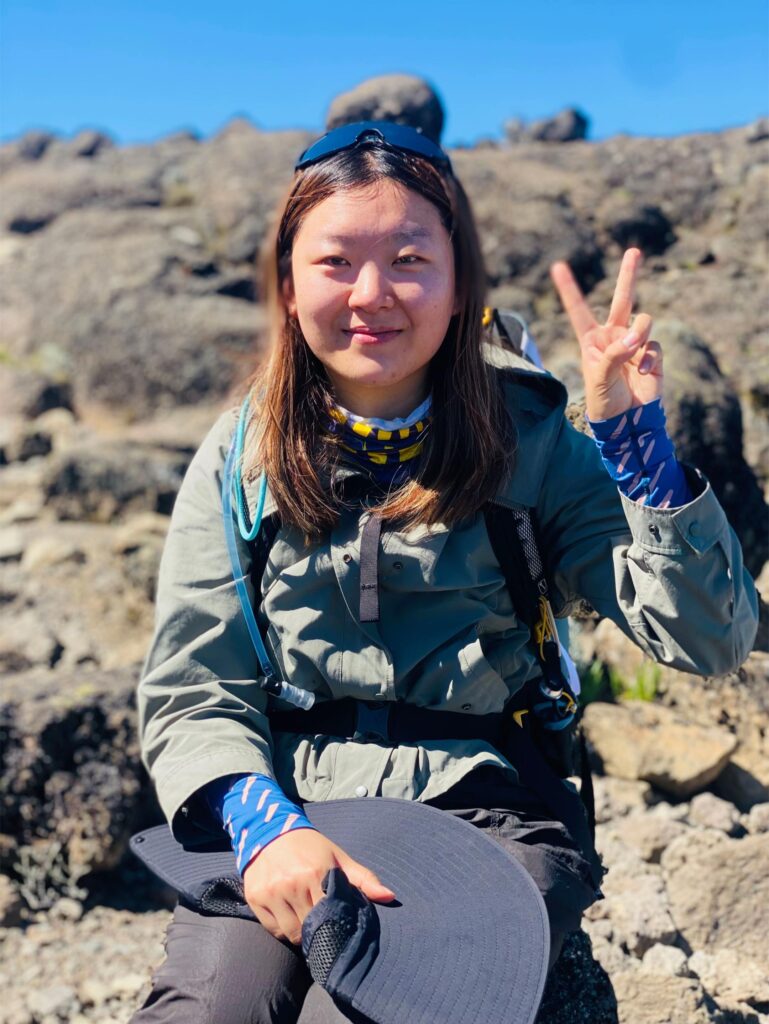
Kilimanjaro Climbing Cost by Number of Days
| Kilimanjaro Climb | Route | Starting Price |
|---|---|---|
| 5 Days Kilimanjaro Climb | Marangu Route | From $2,000 / person |
| 6 Days Kilimanjaro Climb | Machame Route | From $2,200 / person |
| 7 Days Kilimanjaro Climb | Machame Route | From $2,500 / person |
| 8 Days Kilimanjaro Climb | Lemosho Route | From $2,800 / person |
| 9 Days Kilimanjaro Climb | Northern Circuit | From $3,100 / person |
Price Note:
All prices shown are starting prices per person. The final cost may vary depending on the travel dates, number of climbers, route, accommodation, and services selected
Private vs Group Kilimanjaro Climb Cost
Choosing between a group and a private Kilimanjaro climb can affect the way your trek is organized and the level of flexibility you have during your adventure. Both options allow you to experience Mount Kilimanjaro with professional mountain guides and a dedicated support crew, but the overall experience can be different.
Our standard Kilimanjaro climbing prices are designed to give travelers an affordable and comfortable way to climb Mount Kilimanjaro while receiving professional mountain support.
If you prefer a more personalized experience, a private climb can also be arranged according to your travel dates, group size and preferred route.
Standard Kilimanjaro Climb
Our standard Kilimanjaro climbs are suitable for travelers who want a well-organized mountain trekking experience at a competitive starting price.
You can join a scheduled climb or travel with your own group, depending on the arrangement available for your preferred dates.
The standard package focuses on the essential services needed for a safe and enjoyable Kilimanjaro climb, including professional mountain guides, mountain crew support, meals, accommodation on the mountain, transportation related to the climb, and the required park and mountain services according to the selected route.
Official Standard Kilimanjaro Starting Prices
| Climb Duration | Route | Starting Price |
|---|---|---|
| 5 Days | Marangu Route | From $2,000 / person |
| 6 Days | Machame Route | From $2,200 / person |
| 7 Days | Machame Route | From $2,500 / person |
| 8 Days | Lemosho Route | From $2,800 / person |
| 9 Days | Northern Circuit | From $3,100 / person |
All prices shown are starting prices per person for our standard Kilimanjaro climbing packages.
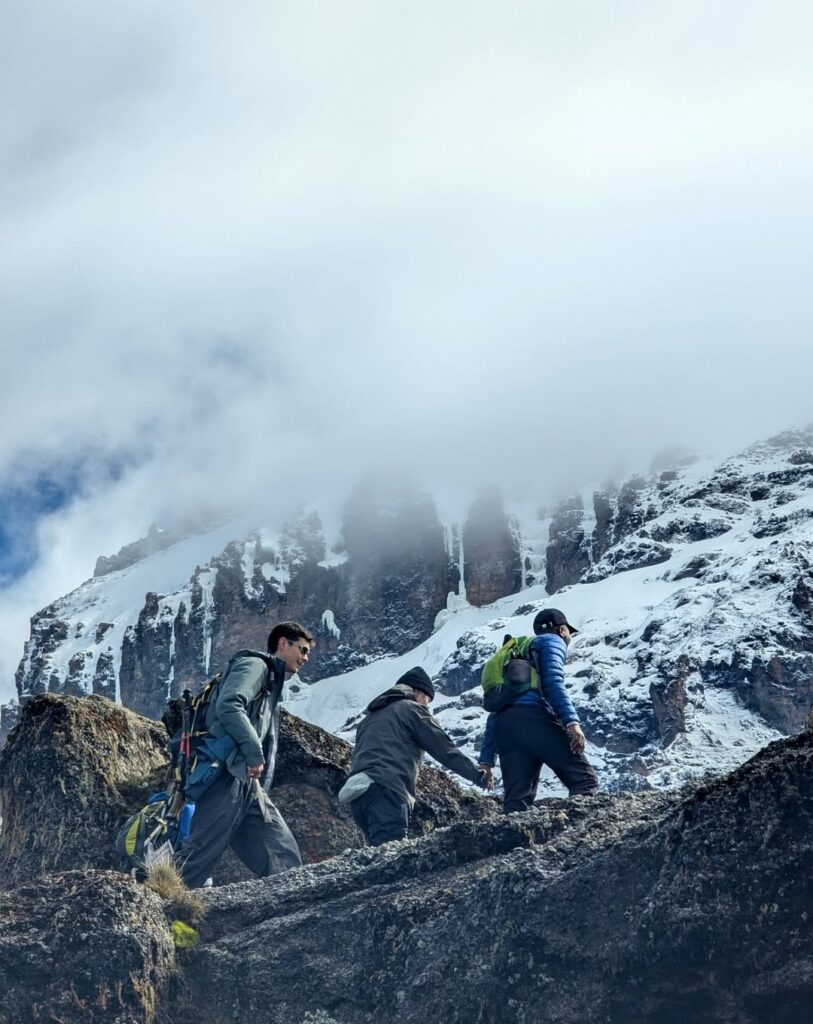
Private Kilimanjaro Climb
A private Kilimanjaro climb is ideal for travelers who prefer to climb exclusively with their own group.
Your climb can be organized around your preferred travel dates, number of climbers, route, number of days, and additional services. Private climbs are suitable for couples, families, friends, and small groups who want greater flexibility and a more personalized experience.
Because private climbs are customized according to your requirements, the price is provided through a personalized quotation.
Standard vs Private Kilimanjaro Climb
| Feature | Standard Climb | Private Climb |
|---|---|---|
| Pricing | From $2,000 / person | Personalized quotation |
| Group Arrangement | Standard group arrangement | Your own private group |
| Travel Dates | Based on available arrangements | More flexible |
| Route Options | Selected standard itineraries | Flexible |
| Itinerary | Standard itinerary | Can be customized |
| Guides & Crew | Professional mountain crew | Dedicated crew for your group |
| Best For | Travelers looking for value | Couples, families, friends & private groups |
Is a Private Kilimanjaro Climb Worth It?
A private Kilimanjaro climb can be a great choice if you value privacy, flexibility, and a more personalized trekking experience.
With a private climb, your group can have greater control over the travel schedule and climbing arrangements. It is especially suitable for couples, families, friends, and travelers who prefer not to share their trek with other clients.
However, if you are looking for an organized Kilimanjaro experience at a competitive starting price, our standard climbing packages are an excellent option.
Which Kilimanjaro Climb Is Right for You?
Choose a Standard Climb if you:
Want a well-organized Kilimanjaro trekking experience
Prefer an affordable starting price
Are comfortable with a standard itinerary
Want professional guides and mountain crew support
Are traveling alone, as a couple, with friends, or family
Choose a Private Climb if you:
Want to travel exclusively with your own group
Prefer greater flexibility with your schedule
Want a customized itinerary
Are traveling as a couple or family
Prefer a more personalized mountain experience
Start Planning Your Kilimanjaro Climb
Ready to climb Mount Kilimanjaro?
Our standard Kilimanjaro climbing packages start from $2,000 per person, depending on the route and number of climbing days.
If you prefer a private climb, contact us with your preferred travel dates, route, and number of climbers, and we will prepare a personalized quotation for your group.
Extra Costs You Should Budget For When Climbing Kilimanjaro
The cost of climbing Mount Kilimanjaro does not always end with the climbing package. Depending on your travel arrangements, there are several additional expenses you may need to budget for before and after your trek.
Planning for these extra costs in advance helps you understand your overall Tanzania travel budget and avoid unexpected expenses during your trip.
1. International Flights
International flights to Tanzania are usually booked separately from your Kilimanjaro climbing package.
The amount you pay depends on your departure country, airline, travel dates, booking time, and whether you fly directly to Kilimanjaro International Airport or arrive through another Tanzanian airport.
For a smoother Kilimanjaro trip, we recommend checking flights to Kilimanjaro International Airport (JRO), which is the main international gateway for travelers climbing Mount Kilimanjaro.
2. Tanzania Visa
Most international travelers need to check Tanzania’s visa requirements before traveling. Visa fees and requirements depend on your nationality and the type of visa you apply for.
The visa is normally an additional travel expense and is not included in the standard Kilimanjaro climbing price unless specifically stated in your quotation.
Always check the latest visa requirements before traveling to Tanzania.
3. Travel Insurance
Travel insurance is an important part of planning a Mount Kilimanjaro climb.
Your insurance should provide appropriate coverage for trekking at high altitude and should include emergency medical assistance and evacuation where applicable.
The cost of travel insurance depends on your age, nationality, travel dates, trip duration, coverage level, and insurance provider.
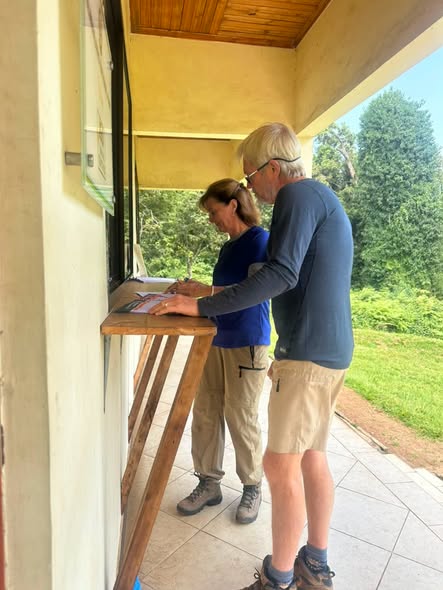
4. Kilimanjaro Climbing Gear
Having the right clothing and equipment is essential for a comfortable Kilimanjaro climb.
Some travelers already own suitable trekking equipment, while others may need to rent or purchase certain items before the climb.
Common equipment includes:
Waterproof hiking boots
Warm base layers
Fleece or insulated jacket
Waterproof jacket and trousers
Warm hat and gloves
Sleeping bag
Headlamp
Trekking poles
Backpack
Sunglasses
Water bottles or hydration system
If you do not have all the required equipment, ask our team about available equipment rental options before your trek.
5. Hotel Accommodation Before and After the Climb
Many travelers spend at least one night in Moshi or the surrounding area before starting their Kilimanjaro climb.
Depending on your package, accommodation before or after the trek may be included or charged separately. If your quotation does not include hotel accommodation, you should budget for these nights separately.
Staying in Moshi before the climb also gives you time to rest, prepare your equipment, and meet your mountain team before starting your trek.
6. Tips for Guides and Porters
Tipping is an important part of Kilimanjaro trekking culture and is normally given to the mountain crew at the end of the climb.
Guides, assistant guides, cooks, and porters work together throughout your trek to support your safety, meals, equipment, and overall experience.
The amount you choose to tip depends on the size of your group, length of the climb, quality of service, and your personal satisfaction. It is best to budget for tipping separately from your climbing package.
7. Personal Expenses
You may also need a small budget for personal expenses during your Tanzania trip.
These can include:
Snacks and drinks before or after the trek
Souvenirs
Laundry
Personal toiletries
Mobile data or local SIM card
Additional meals outside your package
Restaurant or hotel expenses
Personal shopping
The amount you need depends entirely on your personal travel style and spending habits.
How Much Extra Money Should You Budget for Kilimanjaro?
There is no single extra-cost amount that applies to every traveler because international flights, visas, insurance, equipment, accommodation, transfers, and personal expenses vary from person to person.
A good approach is to separate your budget into two parts:
Kilimanjaro Climbing Package: Your selected African Hiking Tours and Safaris package price.
Additional Travel Expenses: Flights, visa, insurance, personal gear, extra accommodation, transfers, tips, and personal spending where applicable.
This makes it easier to calculate your complete Tanzania travel budget before your trip.
What Is Included in Our Kilimanjaro Price?
Our official Kilimanjaro starting prices cover the services included in the selected standard climbing package.
Because inclusions can vary according to the route and number of climbing days, we recommend checking the detailed inclusions and exclusions in your quotation before making your booking.
If you are unsure whether a specific service is included, simply ask our team and we will clarify everything before you confirm your climb.
Plan Your Kilimanjaro Budget With Confidence
Planning your Kilimanjaro adventure is easier when you know what your climbing package covers and which additional expenses you may need to budget for.
Our standard Kilimanjaro climbing packages start from $2,000 per person, depending on the route and number of climbing days.
Contact African Hiking Tours and Safaris today with your preferred travel dates, route, and number of climbers, and we will help you plan your Kilimanjaro climb from start to finish.